

As an Amazon Associate I earn from qualifying purchases.
Tankless RO systems are the biggest upgrade the category has seen in decades: no bulky storage tank eating your cabinet, water on demand, and drain ratios that embarrass old-school systems. But every roundup seems to crown a different winner, most of them claim “lab testing” with zero evidence, and nobody tells you the annual filter bill until you’ve already bought.
So here’s a different kind of roundup. No fake scores. No “we tested 37 systems in our lab.” Just five systems with verified specs from their actual listings, honest filter-cost math, and a clear statement of who each one is for — and who should skip it.
Quick comparison
| System | Output | Pure-to-drain | Certifications | Standout feature | Approx. annual filter cost* |
|---|---|---|---|---|---|
| Waterdrop G3P600 | 600 GPD | 2:1 | NSF/ANSI 42, 58, 372 | Smart faucet, best all-rounder | ~$165 |
| Waterdrop G3P800 | 800 GPD | 3:1 | NSF/ANSI 42, 53, 58, 372 | Fastest flow, best efficiency | ~$165 |
| Frizzlife PD600-TAM3 | 600 GPD | 2:1 | NSF/ANSI 42, 53, 58, 372 | Alkaline pH+ included | ~$120–150 |
| iSpring RO500AK-BN | 500 GPD | 2:1 | NSF 58 | Alkaline, self-cleaning | ~$130–160 |
| AquaTru Classic Smart Alkaline | Countertop (no plumbing) | N/A (no drain) | IAPMO/NSF (84 contaminants) | Zero installation | ~$100–150 |
*Approximate, from current Amazon filter listings — always check live pricing. See each section for the math.
How we picked (and what we didn’t do)
We did not run a lab. Anyone who tells you they “tested” five RO systems in a sink has either a very strange hobby or a marketing department. Instead, we picked systems that (a) are actually listed and well-reviewed on Amazon, (b) carry real third-party certifications (NSF/IAPMO/WQA — not self-awarded badges), and (c) represent genuinely different buyer needs: best overall, fastest, alkaline, and no-plumbing.
1. Waterdrop G3P600 — Best overall
The G3P600 is the tankless RO against which everything else is measured: 600 gallons per day, 8-stage filtration, a 2:1 pure-to-drain ratio, and a smart faucet that shows your TDS and filter life at a glance. It’s certified by IAPMO against NSF/ANSI 42, 58, and 372, and it holds thousands of owner reviews averaging 4.5 stars.
What owners actually say: installation takes about an hour, the twist-lock filters genuinely swap in seconds, and the water tastes like good bottled water. The most common complaint? It needs an under-sink power outlet — which surprises people who assume “filter” means “no electricity.”
Annual filters run about $165 (composite every 6 months ~$30, carbon block yearly ~$35, RO membrane every 2 years ~$150). That’s the real cost of tankless convenience — higher than a tank system’s ~$60/year, and worth knowing before you buy.
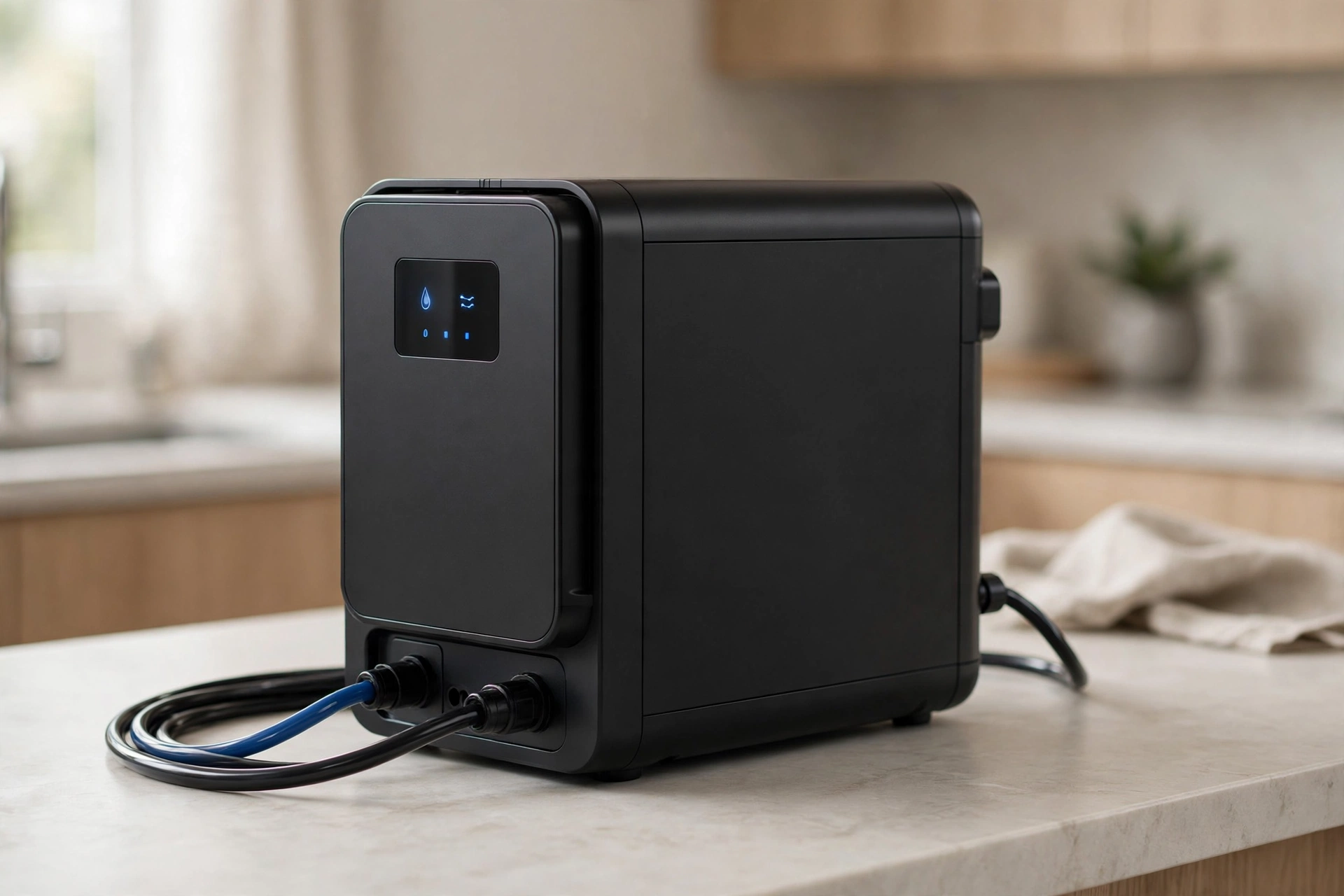
Full head-to-head: G3P600 vs G3P800
Skip it if: you have no under-sink outlet, you’re on untreated well water, or you want alkaline water out of the box.
2. Waterdrop G3P800 — Fastest flow, best efficiency
The G3P800 is the G3P600’s bigger sibling: 800 GPD (a cup in ~5 seconds), a 3:1 pure-to-drain ratio that’s best in class, and an extra NSF/ANSI 53 certification. Same footprint, same smart faucet concept with an added LED function.
Is the water cleaner? Marginally — the filtration is deeper on paper, but both systems already remove the contaminants that matter (lead, fluoride, PFAS, nitrates, TDS). You’re paying for speed and efficiency, and for a family of five-plus that’s a legitimate daily quality-of-life upgrade.
Same ~$165/year filter math as the G3P600.
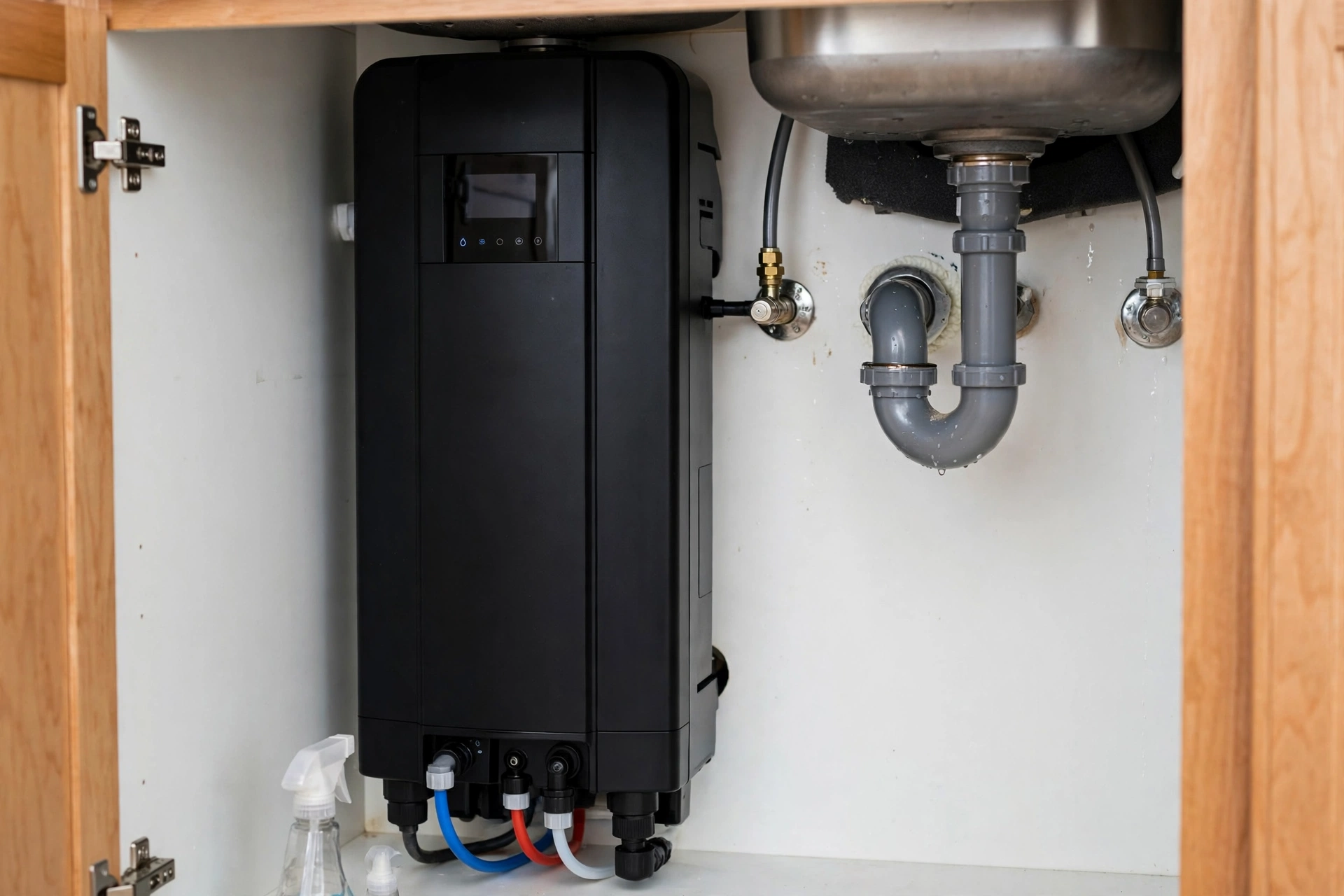
Skip it if: 1–4 people live in your home. The G3P600 does everything you need for less.
3. Frizzlife PD600-TAM3 — Best with alkaline water built in
Here’s the pick for everyone who wants tankless and mineral-balanced water without buying add-ons: the Frizzlife PD600-TAM3. 600 GPD, 2:1 drain ratio, and a third-stage TAM3 filter that remineralizes and lifts pH above 7.5 — addressing the “flat taste” complaint about pure RO water right out of the box.
It’s tested against NSF/ANSI 58, 53, 42, and 372 standards, and Frizzlife’s filter economics are friendlier: the composite filter lasts 12 months and the RO membrane 24, putting realistic annual costs around $120–150.
The trade-off: no smart faucet with TDS display — you get a filter-life/TDS display on the unit, but not the slick faucet screen Waterdrop offers. And Frizzlife is a younger brand than Waterdrop or iSpring, though its Amazon track record is now several years deep.
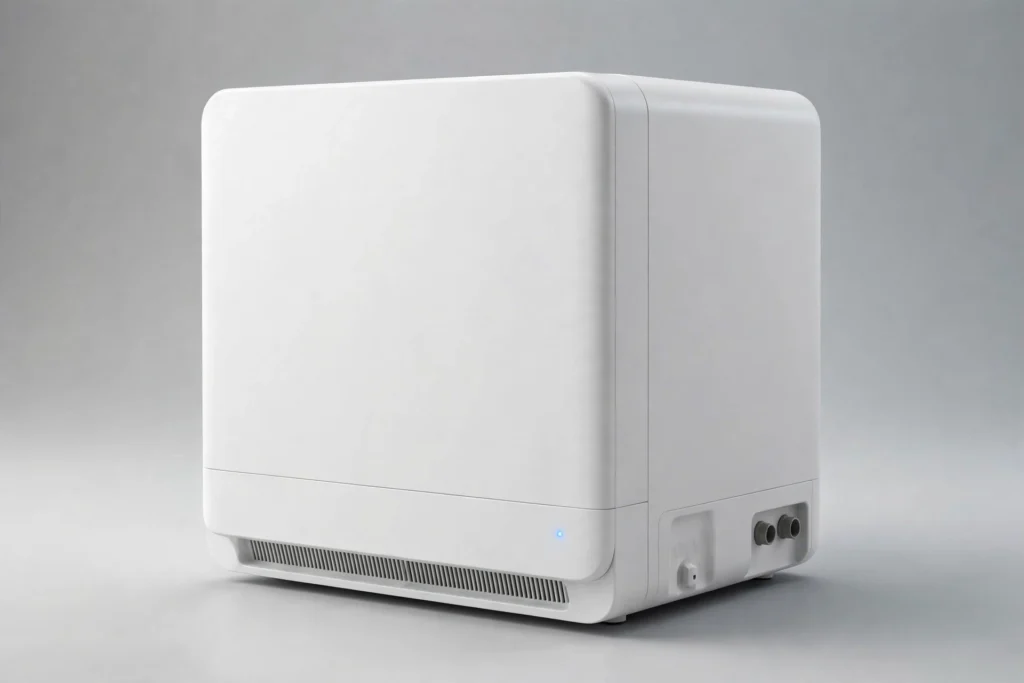
Skip it if: the smart faucet display matters to you, or you prefer the most established brand possible.
4. iSpring RO500AK-BN — Best for iSpring loyalists going tankless
iSpring built its name on tank systems (the legendary RCC7), and the RO500AK-BN is its tankless answer: 500 GPD, 2:1 pure-to-drain, NSF 58 certified, with a 3-stage design (composite pre-filter, RO membrane, alkaline carbon filter) that keeps things simple. It adds an automatic self-cleaning rinse after 24 hours of inactivity, which extends membrane life — a genuinely useful feature nobody else in this list has.
500 GPD is less than the Waterdrops’ 600–800, but 0.4 GPM still fills an 8 oz cup in 10 seconds — fine for most households. Where it wins is trust: iSpring’s US-based support is famously good, and the brand’s certification paperwork is the most thorough in the business.
Expect roughly $130–160/year in filters (composite ~12 months, membrane ~24).
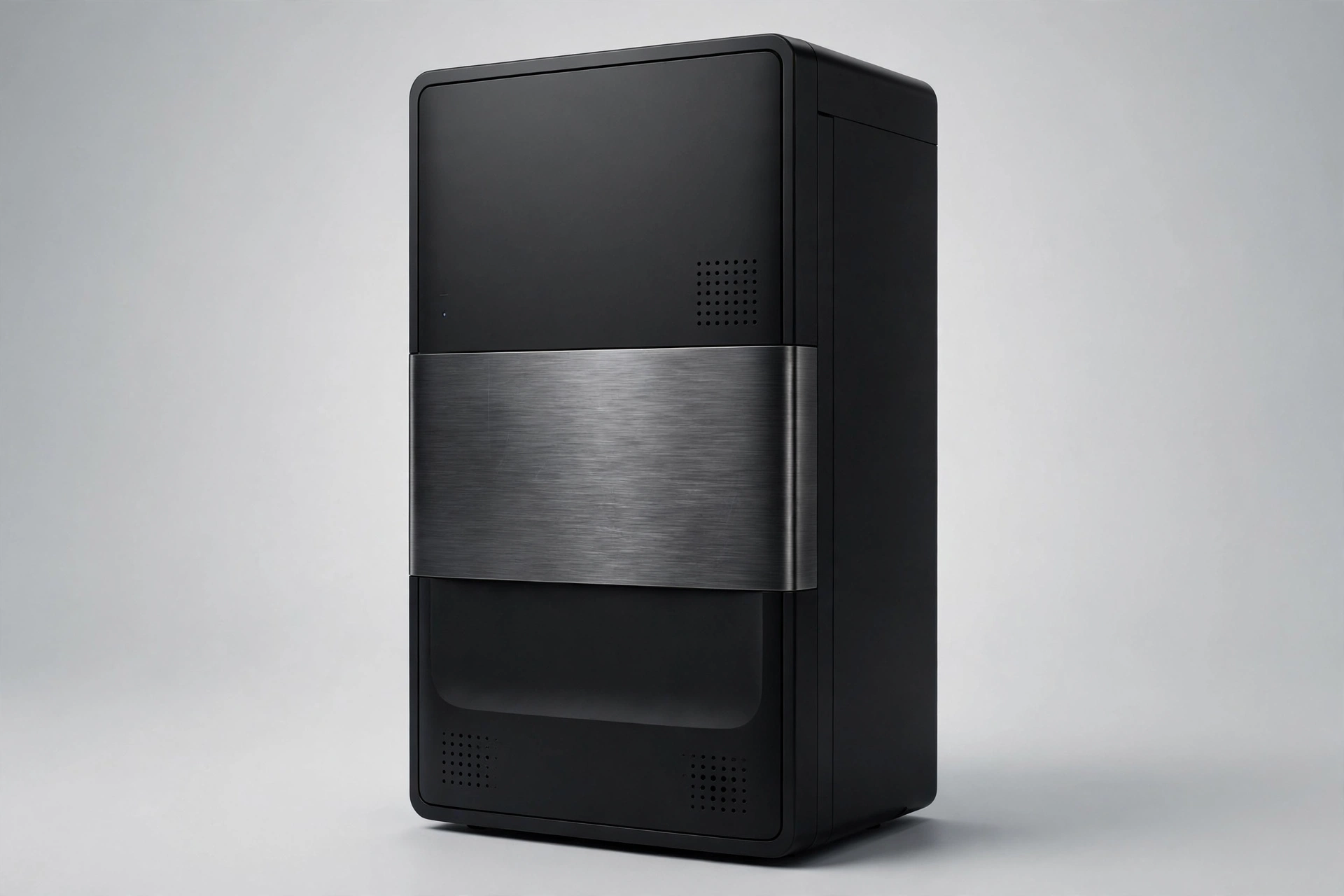
Prefer a tank? See iSpring vs APEC
Skip it if: you need maximum flow for a big family — the 800 GPD Waterdrop is the speed pick.
5. AquaTru Classic Smart Alkaline — Best with no plumbing
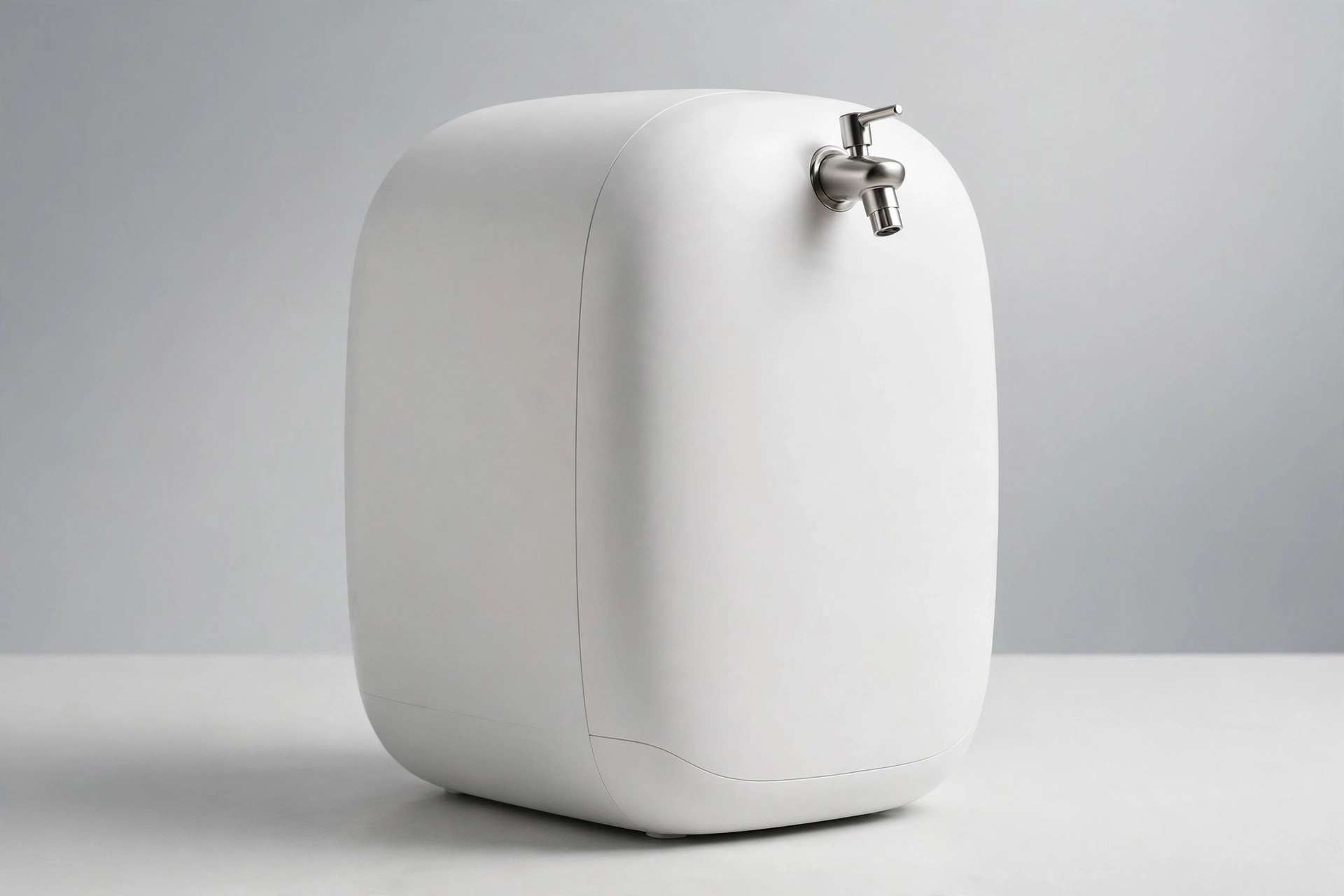
The AquaTru is the odd one out and that’s the point: it’s a countertop RO system. No drilling, no drain line, no plumber — fill the tap-water tank, and the 4-stage Ultra RO does the rest. It’s IAPMO-certified to NSF standards for 84 contaminants including PFOS/PFOA (“forever chemicals”), lead, and fluoride, and the alkaline version adds minerals back for taste.
It’s slower than under-sink systems and you refill it manually, so it’s not for big families. But for renters, dorm rooms, offices, or anyone who wants RO water without touching the plumbing, it’s the only real option in this list — and the Smart version’s app tracks filter life and water quality.
Filter sets last 6 months to 2 years depending on the stage; budget roughly $100–150/year.
Skip it if: you have a family of 4+ drinking from it all day — you’ll be refilling constantly. Get an under-sink system.
Tankless vs tank RO: the honest trade-offs
Tankless wins on: space (saves ~70% under the sink), freshness (no stored water), efficiency (2:1–3:1 drain ratios vs 1:3-ish on old tank systems), and filter swaps (twist-lock cartridges, no sanitizing a tank).
Tank wins on: upfront price, annual filter cost (~$60 vs ~$130–165), no electricity needed, and simplicity. A classic iSpring RCC7 or APEC ROES-50 still makes perfect sense for budget buyers.
Neither is “better” in absolute terms. Tankless is the premium experience; tank is the value play.
Who should NOT buy tankless
- No under-sink power outlet (except the AquaTru) — this kills the deal for many older kitchens.
- Untreated well water — sediment will murder the composite pre-filters. Pre-treat first.
- Tight budgets — a tank system plus $60/year in filters beats tankless on total cost for a decade.
- Anyone expecting “healthier” water from a pricier model — a $500 tankless and a $900 tankless both produce certified clean water. You pay for speed, features, and efficiency.
Frequently asked questions
Are tankless reverse osmosis systems any good?
Yes — they’re the current state of the art for residential RO. You get fresher water (nothing sits in a tank), better efficiency (2:1 to 3:1 pure-to-drain), and a much smaller footprint. The downsides are higher upfront cost, higher annual filter costs, and the need for under-sink electricity.
What are the pros and cons of a tankless RO system?
Pros: space-saving, fresher water, better drain ratios, easy twist-lock filter changes, smart monitoring. Cons: needs electricity, costs more upfront (~$400–900) and annually (~$130–165 in filters), and most require drilling for the faucet and drain.
Do tankless RO systems need electricity?
Almost all under-sink models do — they’re corded electric (they need power for the booster pump and monitoring). The countertop AquaTru is the exception-friendly option for places without an outlet.
Tankless vs tank RO: which is better?
Tankless for convenience, freshness, and space. Tank for budget and simplicity. Water quality from a certified system of either type is equally good.
How much do tankless RO replacement filters cost per year?
Realistically $120–170/year depending on the system: Waterdrop G3 series ~$165, Frizzlife ~$120–150, iSpring RO500 ~$130–160. That’s 2–3× a traditional tank system’s filter bill — the main ongoing cost buyers underestimate.
Related: Waterdrop G3P600 vs G3P800 · Does Reverse Osmosis Remove PFAS?