Waterdrop’s G3 series owns the tankless RO conversation in America. The G3P600 has thousands of reviews and a loyal following; the G3P800 is its bigger, faster sibling. They look nearly identical sitting under your sink — so what does the extra money actually buy you?
I compared the verified specs from Waterdrop’s own listings (because half the comparison articles out there can’t even agree on the stage count), ran the filter-cost math, and talked through who should buy which. Here’s the honest breakdown.
The short answer
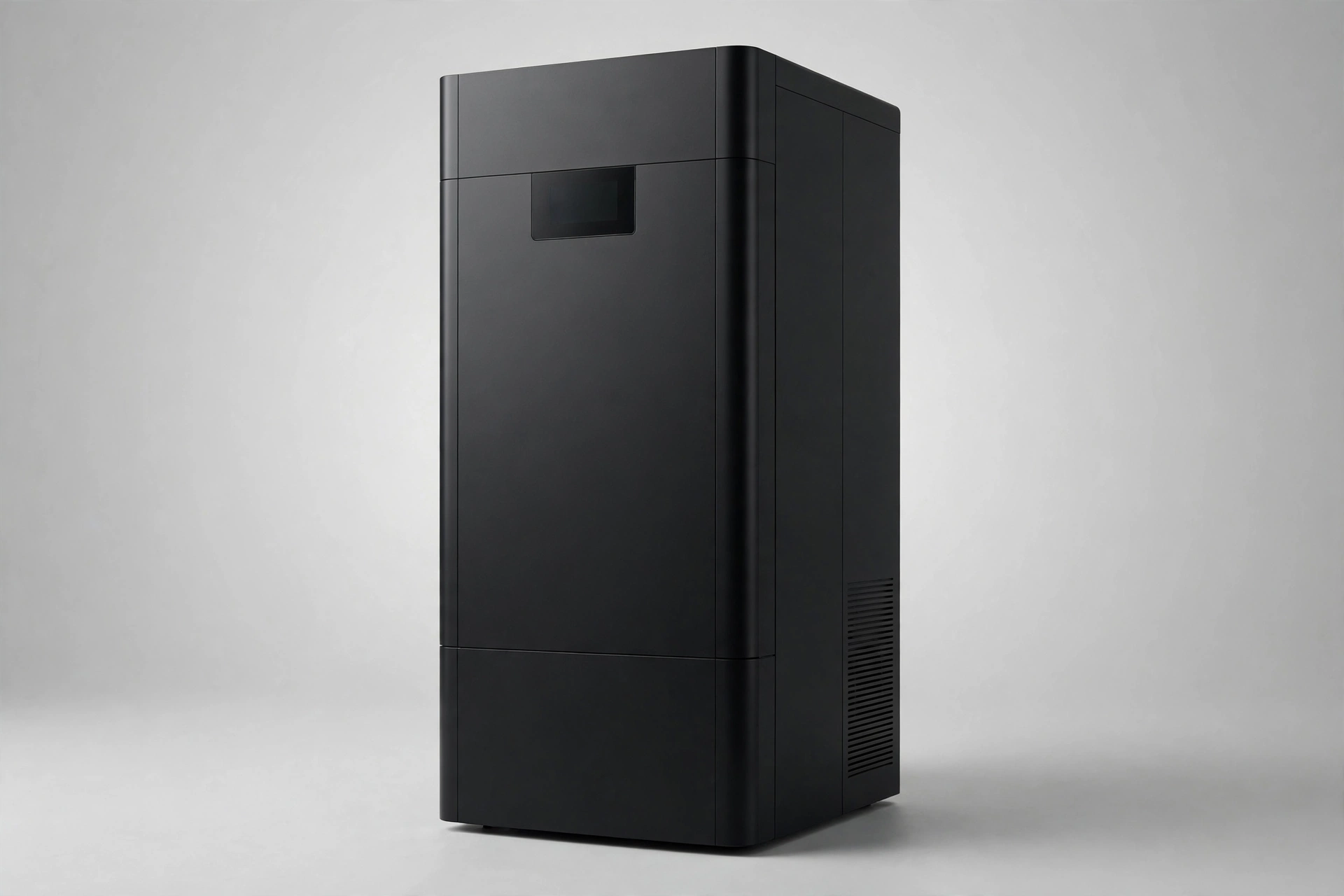
Most households should buy the G3P600. It’s cheaper, its 600 GPD flow is plenty for drinking and cooking, and its 2:1 drain ratio is already excellent. Buy the G3P800 if you have a big family (5+ people), fill large pots constantly, hate waiting even 3 extra seconds for water, or want the best drain ratio in the class (3:1). The upgrade is about speed and capacity — not cleaner water.
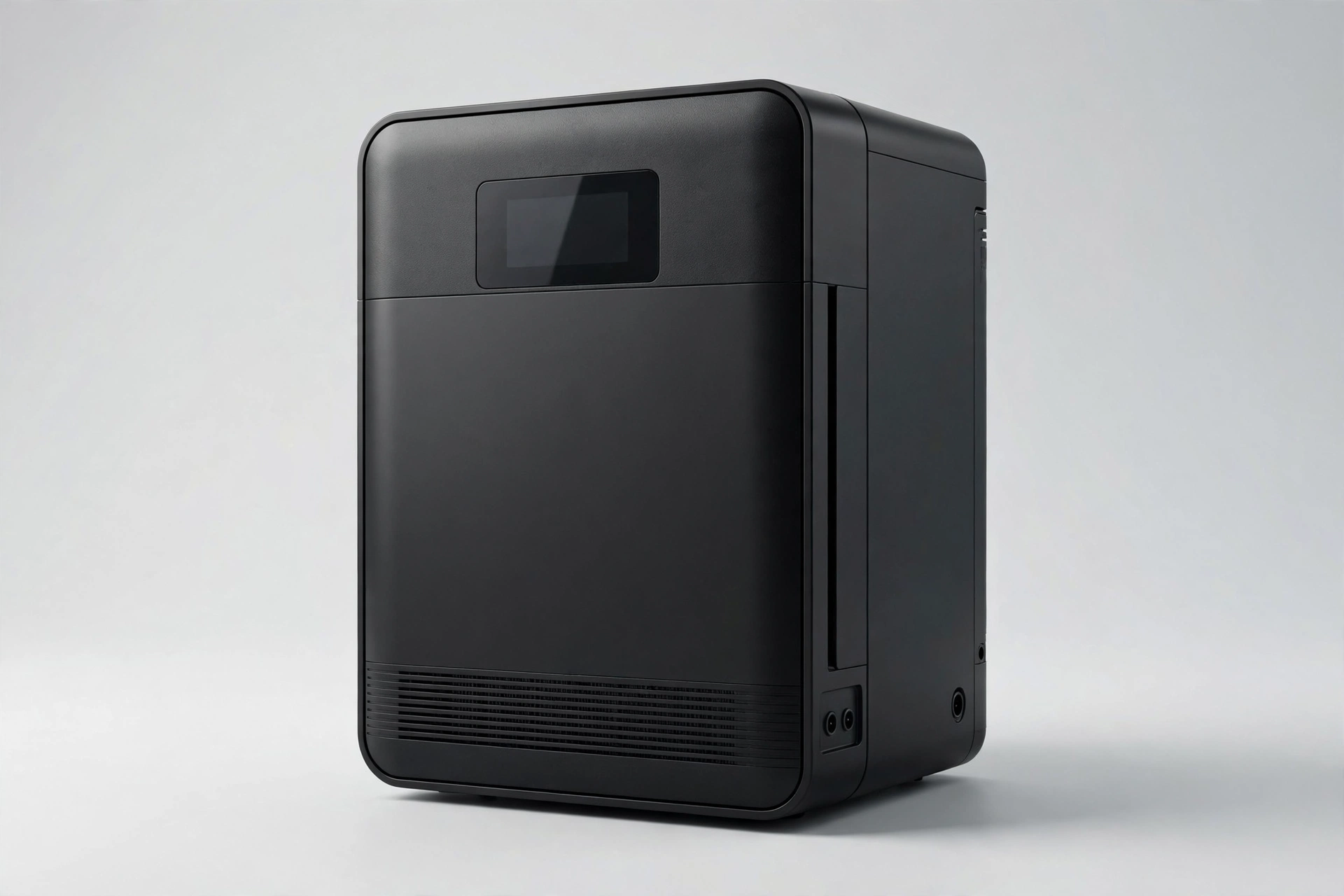
Waterdrop G3P600 vs G3P800: verified spec comparison
| G3P600 | G3P800 | |
|---|---|---|
| Daily output | 600 GPD | 800 GPD |
| Flow speed | 8 oz cup in ~8 sec | 8 oz cup in ~5 sec |
| Pure-to-drain ratio | 2:1 | 3:1 |
| Filtration stages | 8-stage | 9-stage deep filtration (Waterdrop’s comparison chart lists 10 — see note) |
| Certifications | NSF/ANSI 42, 58, 372 (IAPMO) | NSF/ANSI 42, 53, 58, 372 (IAPMO) |
| Smart faucet | Yes (TDS + filter life display) | Yes (TDS + filter life + LED) |
| Power needed | Yes (under-sink outlet) | Yes (under-sink outlet) |
| Tank | None (tankless) | None (tankless) |
| Dimensions | 18.1″ × 5.7″ × 17.7″ | 18.1″ × 5.7″ × 17.7″ |
| Filter lifespans | CF 6 mo · CB 12 mo · RO 24 mo | CF 6 mo · CB 12 mo · RO 24 mo |
Specs from Waterdrop’s Amazon listings, checked October 2026.
A note on the stage count: you’ll see the G3P800 described as both 9-stage and 10-stage across listings — Waterdrop’s detailed product bullets describe 9-stage deep filtration while their official comparison chart lists 10. Either way, it’s the deeper system versus the G3P600’s 8 stages. The practical difference in water quality is negligible; both are certified against NSF/ANSI 58 for TDS reduction.
Full head-to-head: G3P600 vs G3P800
What the upgrade actually gets you
1. Speed. This is the headline. 800 gallons per day vs 600 doesn’t sound dramatic until you’re filling a pasta pot: ~5 seconds per cup on the G3P800 versus ~8 on the G3P600. For a couple, irrelevant. For a family of six that cooks every night, you’ll feel it daily.
2. Less wastewater. The G3P800’s 3:1 pure-to-drain ratio is genuinely best-in-class — three cups of pure water for every cup down the drain, versus 2:1 on the G3P600. Traditional tank RO systems run closer to 1:3 or 1:4 the other way, so both Waterdrops are efficient; the 800 is just the efficiency king.
3. One more certification. The G3P800 adds NSF/ANSI 53 (health effects — it covers specific contaminant reduction claims beyond TDS). The G3P600 is certified to 42, 58, and 372. Both are IAPMO-tested, which is what matters.
4. A fancier faucet. The G3P800’s smart faucet adds an LED function on top of the TDS readout and filter-life tracker both models share. Nice, not decisive.
What it does not get you: meaningfully cleaner water. Both systems reduce PFAS, fluoride, lead, chromium, nitrates, and TDS through the same core RO process. If your goal is “safer water,” the G3P600 already delivers it.
Filter cost per year
Both systems use the same filter architecture, so the math is nearly identical:
- Composite filter (CF) — every 6 months, roughly $28–30 (WD-G3-CF on Amazon) → ~$60/year
- Carbon block (CB) — every 12 months, roughly $30–35 → ~$33/year
- RO membrane — every 24 months, roughly $130–150 → ~$70/year amortized
Realistic total: about $160–170/year for either system. That’s the honest number most reviews skip. It’s higher than a traditional tank system’s ~$60/year, and it’s the real price of the tankless convenience (no tank, instant flow, compact size).
The filters twist-lock in about 3 seconds with no tools, and the smart faucet tells you exactly when each one is due — owners consistently say maintenance is the easiest part of owning a G3.
Installation: what to know before you buy
Both are DIY-friendly (about an hour), but plan for two things:
- You need an under-sink power outlet. Both systems are corded electric — no outlet, no tankless RO. This surprises buyers more than anything else.
- You drill two holes — one for the RO faucet, one for the drain line. Renters, take note.
The tankless design saves roughly 70% of under-sink space versus a tank system, and there’s no tank to sanitize or repressurize. Ever.
Who should NOT buy the G3 series
- No under-sink outlet and no electrician budget — look at a traditional tank system like the iSpring RCC7AK instead.
- Well water with heavy sediment — you’ll clog the composite filter fast. Pre-treat first.
- Renters who can’t drill — a countertop RO (see our 5 best tankless RO systems) is the move.
- Anyone expecting the G3P800 to make “healthier” water than the G3P600 — it makes faster water. The filtration quality difference is marginal.
The verdict
Buy the Waterdrop G3P600 if you want the sweet spot: certified tankless performance, smart faucet, 2:1 efficiency, and the lower price. For 1–4 people, you will never wish you’d bought the bigger one. See it on Amazon
Buy the Waterdrop G3P800 if you’re feeding a crowd, you value every second at the tap, and you want the 3:1 drain ratio — the most water-efficient residential RO you can buy. See it on Amazon
Either way, budget ~$165/year for filters and make sure you have that outlet under the sink.
What the certifications actually mean (and why they matter here)
You’ll see “NSF/ANSI 42, 53, 58, 372” thrown around like alphabet soup. Here’s the plain-English version:
- NSF/ANSI 58 — the reverse-osmosis standard. Covers TDS reduction and structural integrity of the system. Both models have it (IAPMO-tested). This is the one that actually proves the RO part works.
- NSF/ANSI 42 — aesthetic effects: chlorine, taste, odor. Both models.
- NSF/ANSI 53 — health effects: specific contaminant reduction claims (lead, cysts, VOCs, turbidity depending on the claim). Only the G3P800 lists it — a genuine, if narrow, edge.
- NSF/ANSI 372 — lead-free materials. Both models. Means the faucet and wetted parts won’t leach lead.
The takeaway: don’t buy a tankless RO without 58. Both Waterdrops have it, which is a big reason they dominate the category — plenty of cheaper Amazon RO systems have no third-party certification at all.
Long-term ownership: what G3 owners actually report
After the first year, owner feedback converges on a few themes:
The good: the smart faucet’s filter-life tracker is accurate — people trust it more than calendar reminders. Filter swaps really are tool-free and take seconds. Water taste stays consistent, and TDS readings hold in the 10–30 ppm range for most city water.
The annoying: the system runs a short self-flush cycle that sends water to drain periodically — normal, but first-time owners sometimes think it’s leaking. It’s not; check the manual. Also, the units are heavier than they look (~30+ lbs), so mount the bracket solidly.
The expensive part: year two is when the RO membrane comes due (~$130–150). Budget for it from day one and it won’t sting. Some owners split the cost mentally across 24 months — about $6/month — which makes it feel trivial.
Frequently asked questions
What is the difference between the Waterdrop G3P600 and G3P800?
The G3P800 produces 800 GPD vs 600, fills a cup in ~5 sec vs ~8, has a 3:1 pure-to-drain ratio vs 2:1, adds NSF/ANSI 53 certification, and has a slightly deeper filtration stack. Same footprint, same smart faucet concept, same filter architecture.
Is the G3P800 worth the extra money over the G3P600?
For big families and heavy cooks, yes — the speed and 3:1 efficiency pay off daily. For 1–4 people with normal use, no — the G3P600 already delivers certified clean water and you’ll never feel the difference.
What is the pure-to-drain ratio of the G3P800 vs G3P600?
G3P800: 3:1 (three cups pure per one cup waste). G3P600: 2:1. Both are far better than traditional tank systems.
How often do Waterdrop G3 series filters need replacing?
Composite filter (CF): every 6 months. Carbon block (CB): every 12 months. RO membrane: every 24 months. The smart faucet tracks each one and tells you when it’s due.
Do Waterdrop tankless RO systems need electricity under the sink?
Yes — both the G3P600 and G3P800 are corded electric and require an under-sink outlet. This is the #1 thing buyers overlook.
Which Waterdrop system is best for a family of four?
The G3P600. Its 600 GPD output comfortably covers drinking, cooking, and coffee for four people. Step up to the G3P800 for 5+ people or very heavy kitchen use.
Related: iSpring vs APEC: Which Under-Sink RO Is Better? · Does Reverse Osmosis Remove PFAS?
Enjoyed this breakdown? If you’re into smart tools, EarnRove has handy calculators worth bookmarking — and pet parents should check out Furveko for no-nonsense dog care advice.